Tuesday, March 9, 2010

Climbing Cotopaxi


Climbing Cotopaxi

I was fortunate enough to be extended an invitation to travel with the infamous and ridiculous Prof. Theo and his Volcanology class on their salida de campo (field trip). When we arrived in Cotapaxi National Park, we disembarked to discover two red lobos (wolves) ears pricked, curiously observing our every move. They were eventually spooked and loped out of site.

An incandescent mist was moving in so visibility disappeared with each passing breath. As our group began to ascend the peak, we were soon discouraged by the futile struggle of mountaineering the incline of ashen, volcanic decay; each step, laden with bolstering energy was quickly negated by a six inch backslide. We pressed onward into the endless fog as the terrain became more and more treacherous. With the increasing altitude, each breath begged for oxygen our compressed lungs could barely supply. Every lone rock presented the opportunity to rest as the chill atmosphere blazed the walls of our esophagus. The rasping for air and grasping for a foothold consumed the climb. As the intense elevation caused crushing twinges, I was comforted by Newton’s Laws of Motion and the fact that what painstakingly hauls itself up, will come tumbling back down with a full force push from our very good friend, gravity. We staggered our way to El Refugio José Ribas marked by a heroic sign displaying the figures 4,800 meters (15,748 feet). When we realized that we had actually made it, we rejoiced and, of course, documented the momentous moment.

It wasn’t long before we heard that we were only about a 40 minute climb from reaching the glacier and we just couldn’t resist, after coming so far, not be able to touch the snow capped peak that makes the volcano so notorious. So we continued to scale upward. Every now and then the oil stained earth would flash red evidencing the seismic activity; no vegetation in sight.

The climbers sliding back down promised “only ten more minutes, you’re so close.” Mentirosos, but their false hope was just the fuel we needed. We eventually arrived at the icy point where one required professional climbing gear if they dare intended to scale any further.


Looking picturesque in their alpaca apparel friends posed for a ¨What, there´s ice in Ecuador? Who knew?¨moment before the violent shivering continued.


We played around on the glacier for a few minutes and the frigid cold made us think of the blizzard pounding Virgina. When we couldn´t physically take wheezing at nearly 17,000 feet anymore, we decided to disembark from our walk in the clouds. The top layers of volcanic rubble allowed us to literally ski down Cotopaxi with rapid strides as the loose rocks rolled with us.


Afterwords, our trip continued on top the small tourist town of Baños (named for its thermal hot springs) where we shed our misery and soaked clothes at a small hosteleria in the heart of town. The girls and I hit up Café Hood for dinner and preceded to schnuggle while watching Grey´s Anatomy in Spanish. Shouts from the street announced an invitation from our Ecuadorian classmates who had procured a Chiva for our late night enjoyment. A chiva is known as “the party bus¨ because it comes with outlandishly flashing lights and blaring music with a sound system capable of reverberating the entire street. We all hopped on and danced our way to the look out spot near the active vulcan, Tungurahua (throat of fire in Quichua). We enjoyed the the music and each others company minus the canelazo.

In the morning we awoke at 5:15, threw on clothes, and sprinted to the bus station for one of Prof. Theo´s optional adventures that landed us at the throat of the thundering Pailon del Diablo (Devil´s Caldron). The before sunrise hike followed a trail, laden with signs that read, ¨Dios ama la naturaleza; cuidela¨ and led us to a rickety wooden bridge that asserted “maximum capacity 5 persons, absolutamente no mas¨ and a microscopic underlying expression of ¨not responsible for accidents.¨ We stood at the middle of the bridge and watched the water crash beneath us and then peacefully trickle out towards the Amazon.


When we regrouped with those who had decided to sleep in (all the Ecuadorians that is) we ventured the valley stopping to look at all the other waterfalls, gorges, and cliffs which mark epochs in geologic time and are the result of seismic events. Everyone was ushered out at the base of this desolate mountain and frantically encouraged to climb. By this time in the day all the early risers were weary and begrudgingly following suite. Invariably it turns out that everything in Ecuador, from the daily commute in Quito to the spontaneous weekend travels, is a either a climb, trek, trudge, hike, expedition, or journey, so no one was thoroughly surprised or intensely enthusiastic.

When we reached the three fourths mark, we all collapsed and the Prof. proceeded to take attendance as stragglers still trickled from the bus at the bottom. All of a sudden the ground beneath my feet began to rumble and it suddenly clicked that we were standing in the lava bed of Tungurahua where, before she roared to life in 2006, used to stand 88 homes. Now all that remained was an ashen wasteland with a speck of green life here and there.

Paralyzed, we all craned upward to the misty vapors to witness the mushroom cloud of dark smoke she had just spat out, as she continued to groan beneath our boots. The panic was evident as even all the Ecuadorians were like, ¨Okay, time to go. ¨ The guide reassured us through a screechy megaphone that everything was fine and that this was only a taste of the minor seismic activity that Tungurahua experienced daily. He then proceeded to tell us about the past destruction, the emergency evacuation procedures of the town of Baños, and the hardening lava beginning to seal the massive crater at the cone’s core.


After a weekend of risking nature’s elements, I headed back to my student reality in Quito a prepared a presentation for my Ecuadorian Politics class on the Bucuram dictatorship of the 1970s. Papi watched the Super Bowl with me for a little bit or for just about as much of American football as he could take. It was definitely a let down for me as well because let's just say the hilarity of the legendary Super Bowl commercials is simply lost in translation.

Tuesday, February 23, 2010

Otavalo (It’s A-L-P-A-C-A!!!)

Otavalo (It’s A-L-P-A-C-A!!!)


My first complete weekend adventure was to the largest open-air indigenous market in the world which has been hosted for hundreds of years in the Andes. A large group of gringitos and I took a packed bus which serpentined up and down the peaks and valleys of the Northern Highlands. Imagine the drive out to the Highland County Maple Festival and just magnify it by a scale of several thousand feet. Every time I smelt something burning, I was just sure it was the brakes. We pasted the picturesque snow dusted peak of the Volcán Cuyambe as well as the Volcán Imbabura, which is circumscribed by Lago San Pablo.

We arrived near dusk and checked into our hostel where we each paid 5 dollars for sweet hospitality, a comfy twin topped with an alpaca blanket, and even the all inclusive luxury of a shower with hot water. We had soups and jugos (fresh fruit juice) at a little restaurant the owner of our hostel recommended where we ran into some seminary students who are studying in northern Quito. It’s always exciting to bump into other extranjeros and hear their stories.


After that a group of us decided to discover the local night life, so we toured the streets where Otavaleños had huge pots of soup stewing, choclo (corn on the cob) roasting over searing coals, and whole pigs speared on a spit. The music lured us to this vibrating little club called Jala Jala where the dance floor perspired and the walls echoed the soothing rhythms of the tenor sax. The trumpet player effortlessly blasted a high C and had a pitch similar to that of the great Arturo Sandoval. An array of percussion and a set of maracas paced the beat while a trio sang songs of love and life. I must say, my friends from up north have some impressive moves and a flair for the dance club scene. We literally salsa danced the night away. Word to the wise; never sit down in a club in Ecuador because that means you are just begging for a partner and one will present himself immediately and you won’t be able to turn him away.


In the morning we decided to check out the animal market which may or may not have been a devastating mistake. Hogs were being herded down the street, chickens were bundled in piles like bouquets of flowers, lambs were being drug beneath woolen skirts, and some individual cages contained chickens, geese, rabbits, guinea pigs, and kittens all in one. After several tormented cries of why do people do this when you can just go to the supermarket, I was reassured, that we are in fact only one generation away from not knowing where our food comes from. I’m not going to lie though, even being the tough farm girl that I am; the pedaling of precious little guinea pigs did get to me, especially, when I thought of Mom’s adored, chubby pre-school pet, Cupcake.


Grotesque as it may seem to most, it was a glance at natural subsistence style farming and living with the coined environmental slogan of ‘Buy Local, Think Global’ at its core. Even though I whole heartedly support this mentality, throwing aside all nine premises of Regan’s Sentience of Animals philosophy, I know it is light-years away from curing world hunger at this current juncture given the salinization and nitrogen fixation of the world’s soils and increased carbonization of the atmosphere. For now, I’m a realist masquerading as an idealist on this point.


25% percent of the Ecuadorian population has indigenous roots with more than a dozen different groups who speak over twenty languages. Otavaleños are renowned for their colorful and exquisite tejidos (weavings) and they have been exploited for their textiles by the Incas, Spanish, and now, even Ecuadorians. Otavaleños have suffered through a feudalist system of serfdom which was alleviated slightly by Agrarian Reform of 1964 when they were permitted to own the land they slaved over. Today, Otaveleños are the wealthiest indigenous group because of their commercial activities. It is said that Otavaleños sell their ethnicity because their culture is so strikingly conveyed in every stitch. Depictions of Ecuador’s active volcanoes loom behind indigenous women weaving in massive wall hangings and alpacas prance across sweaters, mittens, and socks. The indigenous people of Otavalo are easily recognized in their traditional attire, which dates back to the pre-Incan epoch, especially those who come to sell their crafts in Quito. Women are decorated in white blouses that usually contain an intricate embroidered design, long navy, woolen skirts, head cloths called fachalinas, woven belts, canvas sandals, and strands of golden beads that hang like a choker. The men where café brown, felt derbies, blue ponchos, sexy half-calf pants (they remind me of riding jods), and have long braids (shimbas).


The market was bustling as usual and flooded with fresh fruits and produce, unique wood carvings; alpaca apparel, Panama hats, hand strung jewels, colorful ecua pants, knit finger puppets, LIGA soccer jerseys, tagua nut turtles, reed and leaf portraits forming the images of hummingbirds slurping nectar, and colorful hammocks swaying in the gentle breeze. Some vendors have a very aggressive sales approach and were ready to cut a deal while others drove a hard bargain, cúanto pagarás mija o mi amiga (how much will you pay, my child or my friend). Once we had literally spent all of our money, we stopped by The Shenandoah Pie Shop (no, really, that was its name) for a savory piece of mora (blackberry) pie and cup of coffee.


After unloading our loot at the hostel

we decided to journey to El Lechero,

an infamous magical tree rumored to have healing powers. The path was poorly marked, so we stumbled around the outskirts of Otavalo in search of a mythical tre

e. When we stopped to ask direction from villagers it pretty much amounted to take a left at the big rock ahead and a right after the third cornfield, so you can just imagine how beneficial those directions proved to be.


I must admit that the five mile trek to the magic tree was excruciating. I had been a little too cavalier in my fruit choices earlier in the week and was suffering severe repercussions. When we realized that we had finally arrived and the stubby shrub before us was the legendary enchanted tree, the disappointment was blatantly obvious. We took note of the fact that we had walked all the way to the next town and then quickly concluded that our Lonely Planet Guidebook had led us astray; no valía la peña (it wasn’t worth the pain). Just in case the wild supposition actually contained an ounce of validity and there was in fact latent magic in the air to be absorbed, we lingered un ratito and sung some Lion King songs hoping to receive all the help we could get for the long journey back.


When packing up to leave, my fabulous UNC friend was distressed because she couldn’t find her new sweater and she kept saying, “Where’s my llama sweater?” “Have you seen my llama sweater?” “Where’d my llama sweater go?” My Hokie counterpart was apparently even more distressed by the misidentification of such a prized work of art that she finally exploded, “I-T’-S A-L-P-A-C-A” dragging each syllable. We all rolled with laughter and for us, Otavalo, immediately had a new catch phrase.


One thing is for certain, there is a scheduled second trip to Otavalo before we return to the States. Too bad we won’t still be in Ecuador on June 24th because apparently Otavalo lives and dies to celebrate Saint John the Baptist Day or La Fiesta de San Juan. The food, fun, and festivities conclude on June 29th with the Day of St. Peter and St. Paul.


Disclaimer: No alpacas where endangered in the making of your souvenirs; simply shaved. The guinea pigs on the other hand, not so lucky.

Se Fue la luz

Se Fue la luz

I’ve got two words for computation in Ecuador: surge protector. Yep,
se fue la luz roughly translates to the lights went out which obviously makes internet time a disconnected struggle.

Quito, as a bustling international city in the midst of an environmentally conscious movement, is dedicated to the noble pursuit of reducing its ecological footprint; so, the city runs on hydroelectric power. Even though the rainy season has arrived, global climate change has left Quito struggling with water shortages and other areas suffering under surging mudslides. In the city, entire power sectors shut down for a regulated number of hours before operation is allowed to reignite or the energy source is completely drained so everything just unexpectedly dies. Sometimes there is a generator to intercede and shock the grid back to life, but many times, no such luck.

It is such a habitual occurrence here that when the room goes dark everyone matter-of-factly comments, “Se fue la luz,” as if such a revelation was entirely necessary. The lights tend to go out in the middle of class, while waiting on meals at restaurants, and
por supuesto, while trying to post blogs or send emails; it’s a peculiar phenomenon that makes for an excellent exercise in patience. Moral of the story: hit the save button every two minutes and expect delays.

Part of the irony to the fact that the compact florescent bulbs go out as a measure of environmental justice is that you wouldn’t stumble across a recycle bin anywhere in Quito. The other day, I was blazing a cross walk when some earth rebels road blocked traffic and fiercely waved cardboard signs with plastic bottles situated so that they spelled the word, “
Recicleta.” They had the opportunity to chant it a few times before the light flashed verde and thick exhaust choked the air.

Every time the power goes out, I must push aside my frustration and will just have to remind myself, Ecuador is reinventing a sustainably structured society with an environmental ethic for the lives of future generations. So, let the lights go out!

Wawas and Perritos Chiquitos (Que Más) Toddlers and Little Puppies

Wawas and Perritos Chiquitos (Que Más)

Toddlers and Little Puppies


Usually, on Sunday afternoons we go and visit my abuelos in Mitad del Mundo. During the previous administration the number of cars driving the city streets augmented from 150,000 to 450,000. The current Correa administration has just passed a law banning certain types of autos from driving the road with the exception of the commuting hours during weekdays. Unfortunately, both my parents’ cars fall within the restriction, so papayó comes to pick us up.


My mamí’s brother, wife, and 4 year-old son in addition to my mamí’s sister, Kati, live with my abuelos in their modest hacienda style home, so; needless to say, it’s always a family affair.


Papayó usually takes me on an adventure. Last time we ventured to the church where he was baptized which was very special. We arrived just in time to hear the sermon which was powerfully projected from an altar with a depiction of Jesus on the cross hand carved in the base of a single tree trunk. The sanctuary was so full that people overflowed into the streets gathering at the entrances and lining the curb in order to hear the Good News. Outside the gates, florists were selling long stemmed roses to adorn the gothic tombs and street carts where vending empanadas, fruits, and tostados which, of course, made me think of another biblical reference.


After the church service, we traveled to La Reserve Geobotánica Pululahua where the immense, volcanic crater from the extinct Pululahua now lies. According to papayó the crater was formed in ancient times from a massive eruption and subsequent cave in. The fertile, volcanic soil for agriculture was apparent in quilt like fashion from the mirador viewpoint far above. A tiny, rock trail winds down the south east side as the sole entry point revealing the seclusion of the crater’s steep walls.


We returned just in enough time to break up a little tussle between Bequí and Alejandro on the swing set and to be dictated a shopping list. We went to a little whole-in-the-wall store labeled Tias. The shelves appeared to be ransacked and groceries were piled chaotically cluttering the isles. Papayó whispered, “This is where poor people like me shop.” It was essentially a Dollar Store. As we filled the cart with all Bequí’s favorite cookies, juices, and boxes of milk, I explained my fascinating love for thrift stores, Goodwill’s, and Dollar Trees. We walked two blocks and bought a carton of eggs from the tailgate of a rusty F150 and then headed to the weekend farmer’s market. Papayó headed straight for certain stands and chatted friendlily with the vendors. He introduced me proudly. Before I knew it we were half way through my life story and how a gringita came to live with his daughter and I was taste testing complimentary claudios, mangos, and oradillas. We filled a burlap sack full of exotic fruits, avocados, tomatoes, and bunches of cilantro for a grand total of almost 5 dollars. When we stopped for a bushel of potatoes and yuccas, papayó bought me an espomija which is like fluffy cotton candy flavored whip cream in an ice cream cone. I felt just like his granddaughter who he insists on spoiling. The market scene was quite vivacious and yes, the chickens were still strutting about and most of the seafood was still crawling atop sweltering ice.


When we got home, we enjoyed a delicious meal of rice, fried plantains, lentils, and chicken empanadas which Mamí Favi (my abuela) had prepared. After we ate, the wawas discovered Nana’s puppies. Wawa is the word used to describe children, babies, toddlers, or just little people in general. It derives its origin from the indigenous language of Quichua which has completely infiltrated the Spanish language here in Ecuador, so much so, that sometimes it can be difficult to decode the conversation. Wawa is one of my favorites and is thrown out around my household on a regular basis.

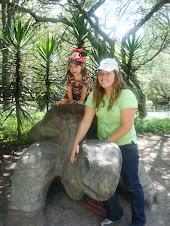
The wawas had a blast playing with the puppies. Alej squished his poor puppy to the ground and proceeded to drive him around like a hot wheels car and Bequí was making hers carsick by chauffeuring it around in circles in the basket of her bike. Obviously, I failed in my explanation of how the puppies aren’t juguetes (toys), sorry PIDA. So the foundation of my life here in Ecuador centers around wawas and perritos chiquitos (puppies), what could possible bring about more joy.


Sunday, February 21, 2010

Birth Day

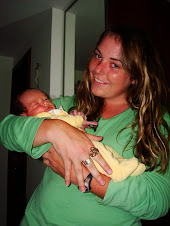
Joaquin is here!!! He was born on Thursday, February 11th at 11:26 a.m.
I would tell you how long he is and how much he weighs, but that would involve a mathematical conversion from the SI metric system, so unfortunately that’s totally not happening.


On the day of his arrival, I accompanied my papís and abuelos to the Hospital Metripoliana. Originally, my papí asked if I want to watch the cesarean and because of what a rare opportunity that presented, of course, I said yes. Then he hesitantly questioned whether I was afraid of blood
. I told him that I grew up on a farm, so sangre wasn’t a problem. When we arrived at the hospital, the air was overflowing with nerves. Mamí was immediately taken back for preparations and I stayed with papí as he filled out a mountain of additional paperwork. Then we all reunited in a tiny exam room to wait. Amidst the nervous chatter Mamí cradled her stomach and said, “Oh little Joaquin, what will you be like?” Papí wrapped his hand over hers and uttered, “Please don’t be as white as Bequí loca,” and the room erupted with icebreaking laughter. Bequí’s complexion is finer than mine and everyone wonders where she came from, so that seems to be the running joke in my family.


When the Doctor came in for the final
exam before the surgery, the room was stuffily cramped. We got the feeling our presence was superfluous, but since both my parents work shifts at the Hospital Metripoliana, we must have been receiving special treatment, begrudgingly that is. During the exam, the doctor didn’t say much; the wishy-wash of Joaquin’s heartbeat overpowered the atmosphere. All eyes were focused on the monitor and it was painstakingly obvious that both my papís knew the meaning behind the figures, dashes, and flickers. The Doctor stated something I didn’t quite grasp and then rhetorically questioned, “estás lista,” before a nurse released the brakes on the hospital bed. Papí leaned over and gave mamí a sweet kiss on the forehead and whispered something in her ear. Mamí teared up which I don’t know why I found that so surprising, such an emotion is completely expected in the situation, but I guess I have always seen her as such a strong, controlled woman who in moments of intimacy vulnerably loves.

As mamí was wheeled out, Abuela Lolita, who was already decked out in scrubs and a lab coat from being on duty; handed me and Papí scrubs, caps, and masks. Papí pushed his away and shaking his head muttered, “No puedo (I can’t).” His mother gave him a very uncompassionate ‘you’ve got to be kidding me’ glance and lashed, “Vamos Raquel.” I gave my scrubs back too and said I was going to stay with papí. He squeezed my hand and half smiled saying, “I’ve never been on this side before.” I wasn’t sure if he was worried he might interfere with the doctor’s work or if he was afraid he couldn’t keep it together.

I reassured him that everything was going to be okay and we reunited with mamí’s parents, sister-in-law, Cris, and papís’ sister, Lodi in the waiting room. Mamí Favi and I said a quick prayer that she sealed with a cross in the name of the Father, Son, and Espiritu Santa and then continued knitting a little yellow chompa or jacket for Joaquin. My tías and I conversed, papayó read El Comercio, and papí paced the hall outside.

At 11:27 Abuela Lolita emerged without a smile. There was a sudden interaction between her and papí in the hall and then he fled. She gave us an update that began, “Joaquin es muy L-I-N-D-O (very pretty) pero hay complicaciones con Doris…” and then she proceeded to throw out a ton of words I didn’t recognize. Apparently there was a loss of blood and trouble re-stitching the incision. Mamí was another hour in surgery, but in the meantime the PEDS pulled the curtain to reveal a tiny, flailing lobster ball with slick black hair. We all emotionally gazed as they stamped his baby footprints and sighed “pobrecito” as his vocal cords exploded when they pinched a diaper on him for the first time. We lingered with Joaquin as long as they would let us and waited to hear news of mamí’s condition. When we knew everything was repaired and she had been taken to recovery upstairs, the relief was reinvigorating. Abuela Lolita relayed that mamí would be in extreme pain and would be staying in the hospital until Sunday.

Mamí Favi, papayó, Cris and I went to lunch at a little almuerzo café. At Ecuadorian joints such as this you simply order the special and it’s always authentically delicious and usually is a three course meal for under 2 dollars. Over chicken tortilla soup, papayó asked me how I felt. At first I thought to myself why are you asking me, your emotions should be more valid than mine, but, I responded, “Estoy muy contenta.” Then he questioned, “y porque?” I wasn’t sure if he truly wanted to know or just loves providing opportunities for me to practice Spanish. “Porque este día he mirado uno de los milagros de Dios y mi hermanito, Joaquin, es perfecto y precioso.¨ The truth is every day is a day overflowing with miracles.

I’m convinced my little brother is an angel. He’s ridiculously adorable. Bequí and I are surely sisters because we fight over whose turn it is to hold our baby brother. My parents are very trusting of me with the baby. They pass him off like he’s just a little taco and like I actually know what I’m doing. I could hold him for hours upon hours watching the cute faces he makes and pretty much have. When he cries my papís exclaim, “Oh no, el gato,” which means the cat because he has a meowing little cry. He is an excellent baby and anytime he does in fact cry Bequi and I come running and she exclaims, ¨Todo esta bien Joaquin, sin lloras. Sus hermañas estan aqui ahorita¨ which pretty much translates to ¨Everything is fine, Joaquin, don´t you cry, your sisters are here now¨ like we are the world panecea to all life´s problems. Bequi and I are infatuated with baby brother, Joaquin, and apparently both of us have bragged at school and to the whole world about him.


Thanks for all your prayers and most of all Thanks be to GOD for the beautiful gift of new life and new creation and the fufilled promise of a present, eternal life that is certainly worth the living.


My Address in Ecuador

For those who were inquiring, here is my address in Ecuador:

Rachel Fitzgerald, Virginia Tech
c/o Programas Internacionales
Universidad San Francisco de Quito
Campus Cumbayá
PO Box 17-12-841
Quito-Ecuador

Please send me an email (raefitz@gmail.com) with your address or post it as a comment (even though I love you and should know exactly where you live) because I would love to send you a post card!


Apologies

I would like to extend my sincerest apologies to my faithful followers for being strictly M.I.A. from the blogosphere the past couple of weeks. I can’t wait to fill you in on the latest adventures and happenings in my life on the equator. I have been traveling, playing in La Parque Carolina with my little sister, visiting with family upon the birth of my new baby brother, celebrating Carnaval with friends on the coast, and somewhere in the mix realized that one must actually at some point attempt to study, even in Ecuador.

So, the reticence stops here…